
As the project reaches its midyear, the SYMBIOSIS consortium reflects on the substantial progress made so far. Bringing together 22 partners from 13 countries, the project is building a comprehensive framework to support the integration of biodiversity into transport and energy infrastructure systems across Europe.
At this stage, SYMBIOSIS is progressing from conceptual frameworks toward operational tools, pilot activities, and policy-relevant insights, contributing to a systemic transition towards more resilient and nature-positive infrastructure.
Developing operational tools for biodiversity and climate resilience
Substantial progress has been made in developing practical tools to support biodiversity integration and climate resilience in linear transport infrastructure.
A major milestone has been the completion of the report (Impact assessment tools for linear infrastructures), which provides a comprehensive assessment of existing impact evaluation approaches. Based on a review of more than 100 case studies and a Delphi consultation with railway experts across seven European countries, the report identifies key methodological gaps and challenges in integrating biodiversity into infrastructure planning and decision-making processes. This deliverable (D3.1) about the Impact Assessment Tools for Linear Infrastructure is currently under revision by ERJU and will be uploaded soon on the project website.
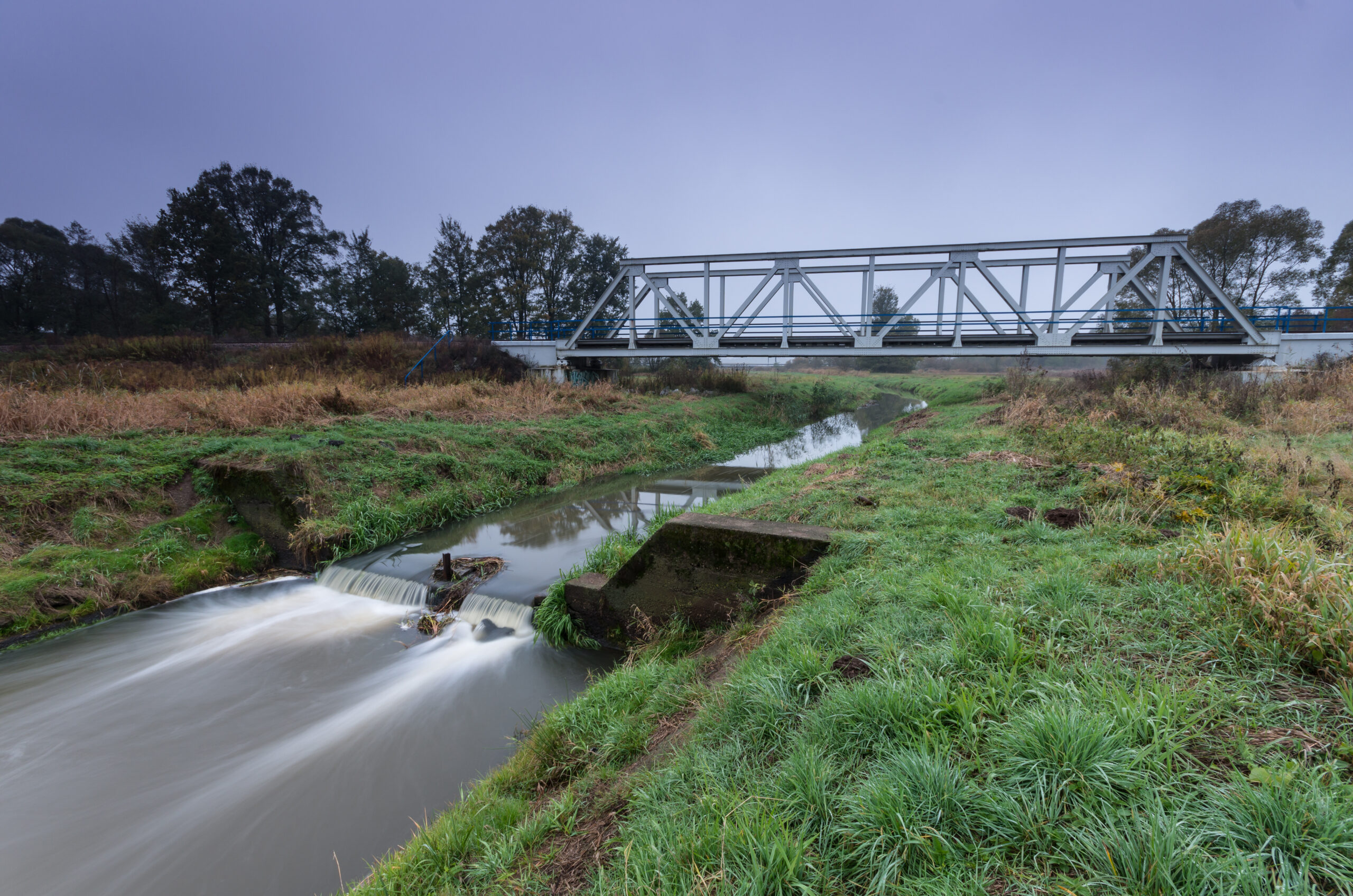
In parallel, work has also advanced on climate risk assessment with the project highlighting floods and extreme heat as priority risks affecting railway infrastructure across Europe. These findings contribute to improving the resilience of transport systems under changing climate conditions.
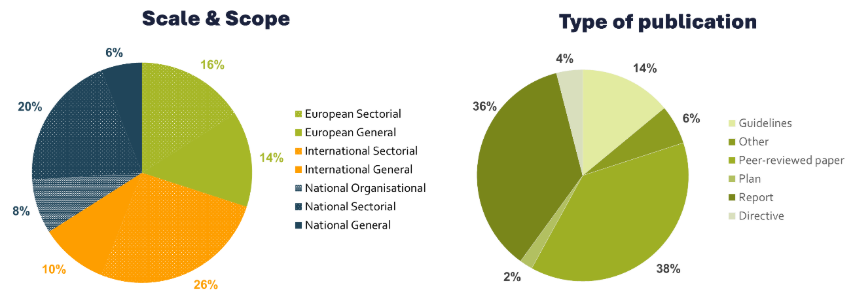
Summary of scale, scope and type of publications reviewed to define the research
Another key development is the ongoing work on the Biodiversity–CO₂ Calculator, which aims to bridge the gap between carbon accounting and biodiversity performance. By integrating indicators such as habitat fragmentation, ecological connectivity, and land restoration, this tool will support more holistic environmental assessments. The methodology is currently being refined through the collection and analysis of environmental restoration case studies, including satellite-based approaches.
The project consortium has prepared three oral presentations and a poster for the Transport Research Arena (TRA) 2026 in Budapest (19–21 May). On 19 May (14:00–15:30, Technical Session 3 / Special Session 2), the paper “Barriers to Biodiversity Integration in European Railway Operations: A Multi-Round Assessment” will be presented. On 20 May (16:00–17:30, Technical Session 6 / Special Session 5), an oral presentation will be delivered on “Operational tools for assessing environmental impacts and benefits in linear infrastructure: a systematic review”. A n other presentation, “Delphi Approach for Improving Environmental Assessment in Railway Operations: Expert Consensus on Biodiversity Integration Barriers”, is also included in the programme. Additionally, a poster “Sustainable transport infrastructure: Climate adaptation through Nature-based Solutions. A cost-effective resilient approach”, will be presented, further enhancing the project’s visibility and impact.
Looking ahead, the project will continue refining its GIS-based operational toolkit, expanding the catalogue of Nature-based Solutions (NbS), and supporting decision-making processes through validated, data-driven tools.
More information on WP3 activities is available in YouTube presented by Sergio Alvarez, UPM: link
Advancing biodiversity monitoring and data standardisation
The project addresses a critical challenge in the sector: the lack of harmonised biodiversity monitoring practices across transport infrastructure.
A Europe-wide survey conducted across 26 transport organisations revealed that biodiversity and habitat monitoring remain inconsistent and are often driven by regulatory requirements rather than proactive environmental strategies. Only about half of the organisations currently conduct structured monitoring, while practices vary significantly across countries and operators. Key barriers identified include limited in-house expertise, cost constraints, and the absence of standardised methodologies, all of which reduce the comparability and usability of data.
At the same time, the survey highlighted a strong and growing interest in improving biodiversity monitoring and integrating data into planning and reporting processes. This creates a significant opportunity to transition towards more systematic and operational monitoring approaches. The D4.1 Report on ‘Transformative Insights and Strategies for Biodiversity Monitoring in European Railway’ will be published soon on the project website after ERJU’s revision.
Building on these findings, pilot activities are being launched across the UK, Portugal, and Spain, in close collaboration with railway operators. These pilots will test a combination of innovative technologies, including passive acoustic sensors to detect wildlife, remote sensing data, and automated camera systems.
A key focus of the pilots is to assess the scalability of these approaches across large railway networks and complex environments. In particular, the work will explore the potential of AI-assisted data analysis to process large volumes of biodiversity data, while ensuring data quality and reliability through appropriate validation methods.
The results of these pilots will contribute to the development of standardised monitoring protocols and support the integration of biodiversity data into infrastructure management systems, enabling more informed and nature-positive decision-making.
More information on WP4 activities is available in YouTube presented by Reto Schmucki, UKCEH: link
Addressing societal challenges and strengthening policy integration
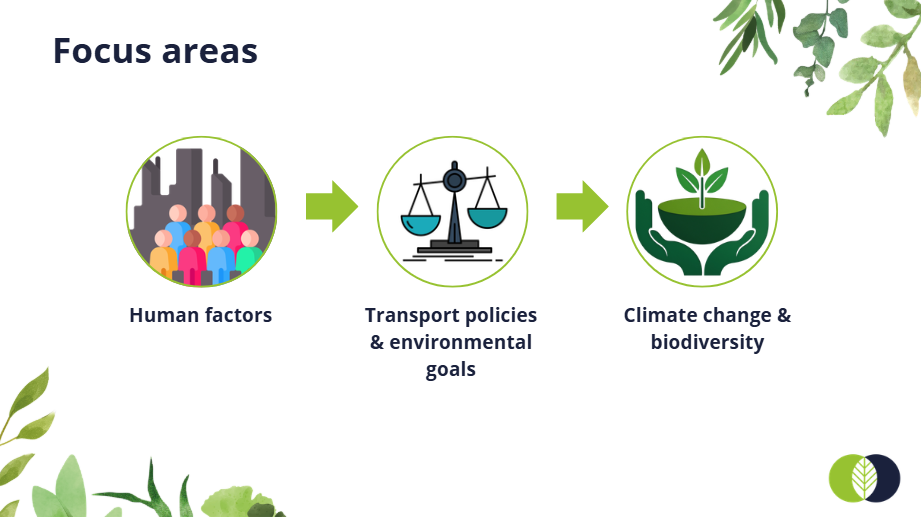
The work plays a central role in connecting technical developments with societal needs, policy frameworks, and industry practices and it focuses on understanding how biodiversity, climate, and societal considerations can be better integrated into transport planning, decision-making, and governance. A comprehensive methodological approach has been implemented, combining literature review, stakeholder engagement, surveys, and multi-criteria analysis.
Understanding societal impacts and stakeholder engagement
Initial work has focused on identifying and analysing societal challenges associated with sustainable transport development across different sectors. A large-scale literature review, combined with stakeholder consultations, has provided insights into key impacts and trade-offs.
A dedicated session organised during the SYMBIOSIS Stakeholders Engagement Workshop brought together over 60 external participants, enabling direct exchanges and validation of preliminary findings. A survey and further targeted consultations are ongoing to deepen the understanding of stakeholder involvement across the lifecycle of infrastructure projects.
This work will lead to the development of evidence-based recommendations to strengthen stakeholder participation and improve decision-making processes, supported by the application of frameworks such as the Societal Readiness Level (SRL).
Strengthening regulatory and policy frameworks
The project has also analysed the regulatory and policy landscape governing transport infrastructure, identifying gaps and inconsistencies in the integration of biodiversity, climate, and energy considerations.
Initial findings highlight that biodiversity is often insufficiently considered in early planning stages, and that implementation varies significantly across countries. The work is therefore focusing on aligning infrastructure development with EU and national policy frameworks, improving Environmental Impact Assessments (EIA) and Strategic Environmental Assessments (SEA), and strengthening monitoring and reporting practices.
The objective is to provide practical, actionable recommendations to improve policy coherence and support the effective implementation of biodiversity-related requirements. A paper entitled “Towards Nature-Positive Transport: Embedding Biodiversity and Climate Considerations in Infrastructure Planning and Policy” has been submitted to TRA 2026 and will be presented on 19 May.
Advancing environmental assessment and corporate reporting
Another key area of work focuses on improving environmental impact assessment practices and corporate sustainability reporting.
A shift from project-based assessments towards more systemic and cumulative approaches is being promoted, particularly in the context of interconnected infrastructure networks. At the same time, the work supports the integration of biodiversity into corporate sustainability frameworks, including the development of relevant indicators aligned with EU requirements such as the CSRD (Corporate Sustainability Reporting Directive) and the Global Biodiversity Framework.
Integrating biodiversity into industry practices
Finally, the role of industry by supporting the integration of biodiversity into company strategies, procurement processes, and supply chains is addressed.
Through literature review, benchmarking, and case studies, the work aims to provide infrastructure managers with practical guidance to assess biodiversity impacts and align business practices with sustainability and regulatory expectations. This includes exploring green public procurement approaches and improving biodiversity-related disclosures across supply chains.
More information on WP5 activities is available in YouTube presented by Matina Loukea, CERTH: link
Building a community and increasing impact
Beyond technical and policy developments, SYMBIOSIS is actively building a community of practice across Europe.
The Stakeholders Engagement Workshop gathered around 60 participants from policy, research, infrastructure management, and civil society, providing valuable feedback to guide ongoing work. The project is also strengthening its visibility through scientific publications and participation in major international events such as TRA 2026 and IENE Conference 2026. In this context, the paper “Towards Nature-Positive Transport: Embedding Biodiversity and Climate Considerations in Infrastructure Planning and Policy” will be presented by Matina Loukea and Lazaros Georgiadis on 19 May (16:00–17:30, Technical Session 4 / Special Session 3). In addition, on 21 May (15:30–17:00), SYMBIOSIS will be also represented at Special Session 17 – Biodiversity in Transport, moderated by Thierry Goger (FEHRL).
Looking ahead
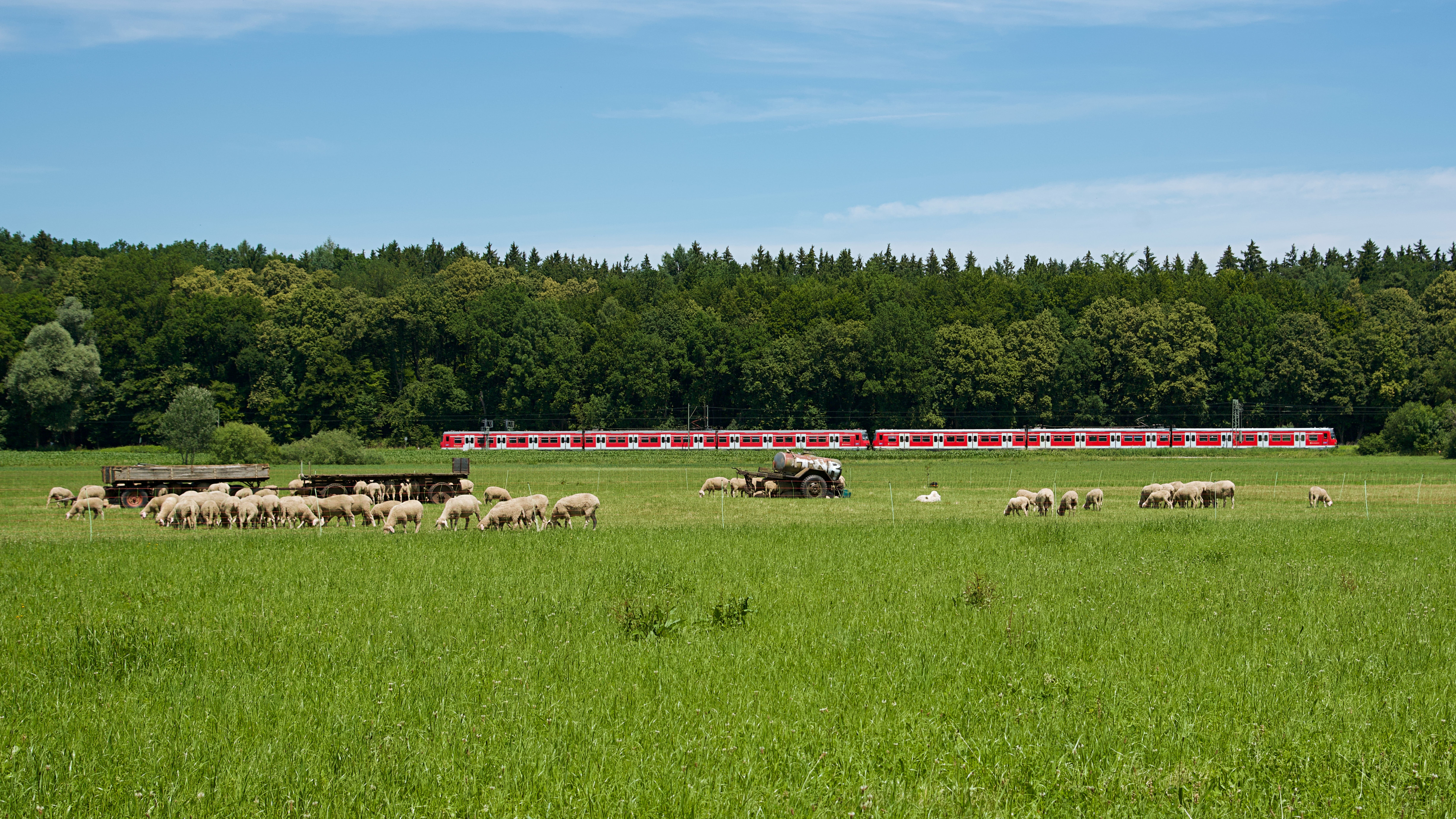
As the project moves into its second phase, SYMBIOSIS will focus on validating tools through pilot activities, refining methodologies, and translating research into practical guidance and policy recommendations.
By bridging biodiversity, infrastructure, and policy, SYMBIOSIS aims to contribute to a systemic transformation of transport networks—towards systems that are not only efficient and resilient, but also fully aligned with nature and societal needs.