
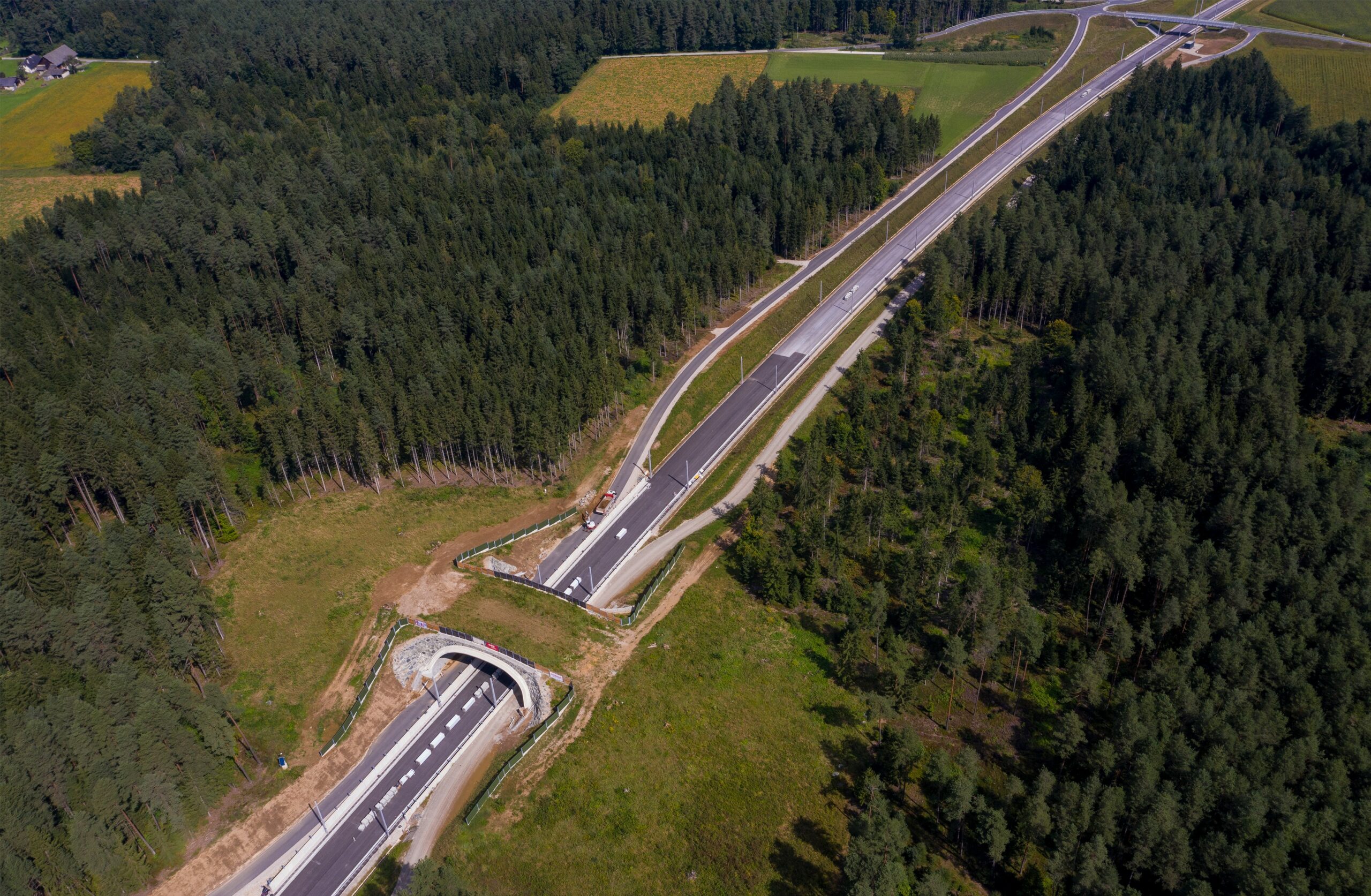
From Research to Practice through SYMBIOSIS
Integrating biodiversity into transport infrastructure planning is no longer optional — it has become a key condition for achieving long-term sustainability and resilience. As transport networks expand and adapt to climate change, they increasingly interact with ecosystems, landscapes, and natural habitats. Ensuring that infrastructure development minimises environmental damage and, where possible, contributes positively to nature remains a major challenge for infrastructure managers and public authorities across Europe.
These challenges are at the heart of the article “Mainstreaming Biodiversity in Transport Infrastructure”, featured in the 23rd edition of the FEHRL FIRM Magazine (January 2026). The article highlights how research and collaboration can help bridge the gap between ambitious biodiversity policies and their practical implementation on the ground.
Bridging Ecology, Infrastructure and Governance
Despite increasingly ambitious strategic objectives at European and national levels, translating biodiversity goals into operational practice remains complex. Decision-makers often face fragmented assessment approaches, limited life-cycle integration, and difficulties in comparing biodiversity impacts and benefits across projects.
Through the SYMBIOSIS project, project partners are addressing these challenges by developing methodologies that bridge ecology, infrastructure planning, and governance. The project focuses on moving beyond mitigation measures towards a more systemic integration of biodiversity into infrastructure decision-making.
This includes the development of practical tools, harmonised data approaches, and decision-support frameworks that help infrastructure operators embed biodiversity considerations throughout planning, design, construction, and maintenance phases. A key objective is to make biodiversity measurable, comparable, and actionable, enabling informed choices that balance environmental, technical, and socio-economic priorities.
Strengthening Monitoring and Decision-Making
The article also underlines the importance of improving biodiversity monitoring and its integration into infrastructure management processes. Current practices vary widely, with limited standardisation and weak links between ecological data and operational decision-making.
SYMBIOSIS explores scalable monitoring approaches and data integration methods that support more consistent tracking of biodiversity outcomes over time. By strengthening the connection between data, monitoring, and management, the project contributes to more robust, evidence-based decisions and supports long-term resilience.
Stakeholder Engagement and Capacity Building
A defining feature of SYMBIOSIS is its strong emphasis on stakeholder engagement. Effective biodiversity integration depends on collaboration between public authorities, infrastructure operators, industry, research organisations, and civil society.
As highlighted in the FIRM Magazine article, SYMBIOSIS actively engages stakeholders through workshops, surveys, and targeted exchanges. These interactions have confirmed the need for practical applications, policy relevance, and transferability of results beyond pilot contexts.
As part of this approach, the project has launched a Learning Needs Assessment Survey, inviting stakeholders to share their perspectives on knowledge levels, skills gaps, and training needs related to biodiversity and transport infrastructure. The results will directly inform the development of future training and capacity-building activities, ensuring that professionals are equipped to apply biodiversity principles in practice.
Towards Nature-Positive Infrastructure
By combining scientific expertise, practical tools, stakeholder engagement, and capacity building, SYMBIOSIS supports a shift towards transport infrastructure systems that not only reduce environmental impacts, but actively contribute to ecosystem health and biodiversity protection.
The feature in the FIRM Magazine illustrates how research-driven collaboration can help mainstream biodiversity as a core component of sustainable transport infrastructure, turning ambition into actionable solutions.
Read the full article “Mainstreaming Biodiversity in Transport Infrastructure” in the FEHRL FIRM Magazine, Issue 23 (January 2026) here